
About Diwa Fun – How We Organise Games, Mobile Access and Player Support
About Diwa Fun explains how we organise the platform so users can understand the product, find the right guide and move through each part of the experience without unnecessary confusion. At Diwa Fun, we separate game discovery, Android access, account activity, reward programmes and support because each area solves a different user need. New visitors may want to understand what kinds of games they can explore, while returning users may need login, reward or technical information. This page gives you a structured overview of how our platform works, how the different sections connect and where to go when you want more detailed guidance.
About Diwa Fun and the Structure Behind the Platform
About Diwa Fun is designed around clarity rather than a long list of features. We want every section to answer one practical question and lead naturally to the next useful page.
The platform can be understood through five main layers:
Platform Layer
Main Purpose
Typical User Need
Game layer
Explain gameplay and categories
Choose what to play
Mobile layer
Support Android and app access
Install or update
Account layer
Handle registration and login
Access a profile
Reward layer
Explain promotions and progress
Review a programme
Support layer
Resolve user questions
Understand an issue
These layers work together, but they remain separate enough that users do not need to read everything before taking action.
For example, someone who already understands the game can move directly to Android setup. A user who has already installed the app may only need account recovery. Another visitor may be interested in current rewards and skip the technical sections completely.
This flexible structure is one of the main ideas behind About Diwa Fun.
How We Decide What Belongs on Each Page
We organise content according to user intent.
The homepage introduces the complete experience. About Diwa Fun explains the platform structure and our approach. The app page focuses on installation and mobile behaviour. The bonus guide goes deeper into programme types, eligibility and status. The game-selection page helps users compare gameplay styles.
This prevents one article from trying to answer every possible question at once.
It also means our internal links have a clear purpose: move the user from broad understanding to the more specific action they want to complete.
Game Information Is Organised Around How the Experience Works
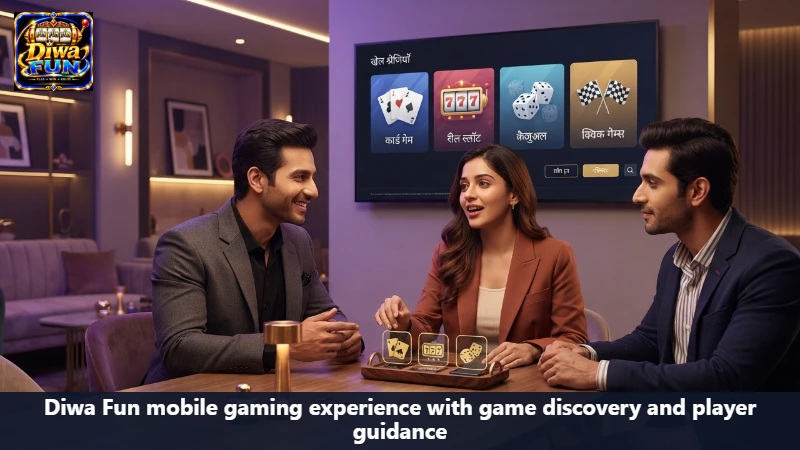
At Diwa Fun, we want game information to explain what users actually do during a session. A title may look attractive in the lobby, but users need to understand its rules, controls and pace before they can decide whether it fits their interests.
We therefore organise game content around mechanics rather than promotional language.
Card-Based Experiences
Card games may involve combinations, turn order, scoring or decisions made across several actions.
A rummy-style game, for example, may use sequences, sets and jokers. Another card title may use different rules entirely.
When we explain a card game, we focus on:
- objective;
- valid combinations;
- controls;
- round flow;
- result conditions.
This gives users enough information to understand the game before they begin.
Reel and Spin Experiences
Reel-style games usually focus more on visual interaction. Symbols, spin controls and result displays are central to the experience.
We explain these titles through:
- symbol information;
- round controls;
- game instructions;
- result logic;
- mobile layout.
The aim is to help users understand what appears on screen rather than treating every spin-style game as identical.
Casual, Puzzle and Quick Games
Some users prefer shorter sessions and simpler objectives.
For these formats, we usually focus on the action required, the length of the round and the way progress is displayed.
This keeps the learning process light while still giving enough context to choose a game intelligently.
Why We Compare Games Instead of Ranking Them
About Diwa Fun also reflects how we approach recommendations. We do not need every visitor to choose the same game.
Instead, we compare:
Factor
What It Helps You Understand
Rule depth
How much you need to learn
Decision load
How active each round feels
Round pace
How long the session may take
Visual focus
How much the interface matters
Mobile layout
Whether controls feel comfortable
This gives users a more useful basis for choosing according to preference.
Mobile Access Is Treated as a Separate Layer
Android use introduces its own practical questions, so we keep mobile guidance separate from game explanations.
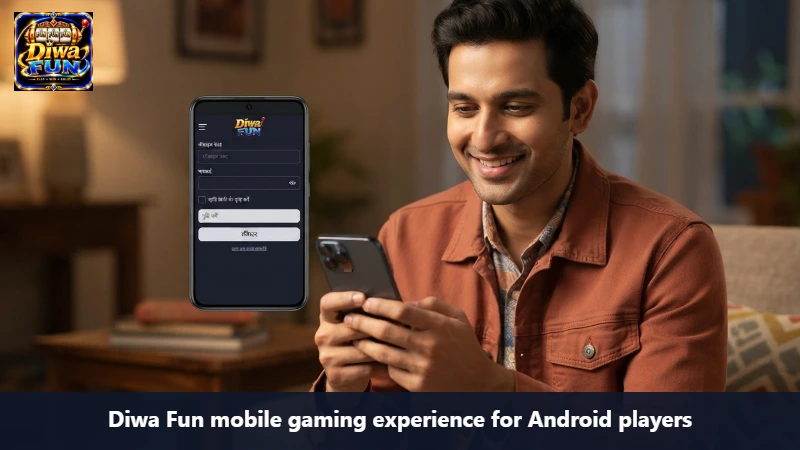
The About Diwa Fun mobile layer covers device readiness, app installation, updates, session continuity and common Android behaviour.
Before installation, we recommend checking:
- free storage;
- Android compatibility;
- stable internet;
- application source;
- current package information;
- existing account credentials.
These checks reduce the chance of confusing a device issue with an account or app issue later.
Installation and Package Handling
When an app is provided through APK, the general process is familiar:
- Open the current source.
- Review package information.
- Download the file completely.
- Open the Downloads folder.
- Select the intended installer.
- Review the Android prompt.
- Complete installation.
- Open the app.
We keep exact version numbers, file sizes and package identities tied to current verified sources rather than treating them as permanent.
Updates and Session Continuity
An update may change the app while leaving the account unchanged.
For returning users, we recommend keeping existing credentials available and reviewing the login screen after the update.
If the app reloads when switching between Wi-Fi and 4G/5G, the issue may belong to the session rather than the installation itself.
About Diwa Fun keeps these states separate so the next action is easier to identify.
Account Continuity Helps Keep the Experience Consistent
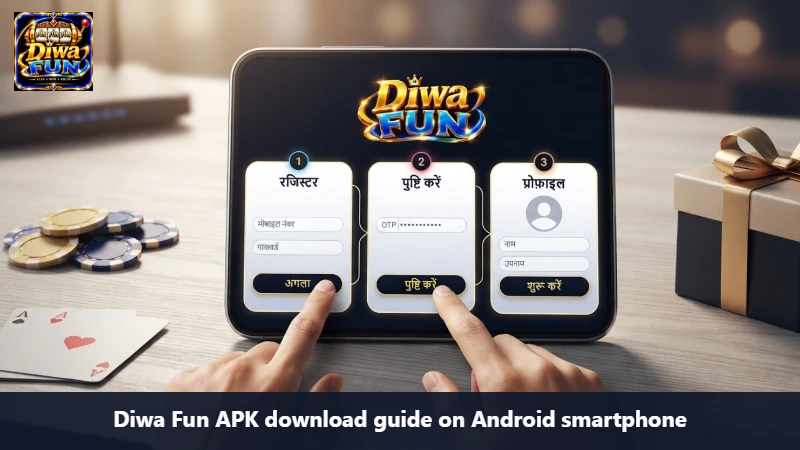
The account layer connects several parts of the Diwa Fun experience. Registration creates access, login returns users to their profile and recovery helps restore access when credentials or sessions need attention.
We explain these three states separately.
New Account Registration
A typical form may ask for contact or profile information.
The general flow is:
- Open the registration form.
- Review the fields.
- Enter accurate details.
- Create a secure password.
- Complete OTP verification if requested.
- Review the information.
- Submit the form.
- Check the confirmation.
The current Diwa Fun interface determines the exact fields shown.
Returning User Login
Returning users should begin with their existing credentials.
If login fails, the most useful checks are:
- correct account identifier;
- saved password;
- browser autofill;
- current network;
- session status.
An older saved password is a common source of confusion after credentials have been updated.
Recovery
If access needs attention, use the recovery process shown by the service.
Keeping one profile consistent makes activity history, rewards and support questions easier to follow.
This is part of the systematic approach behind About Diwa Fun: identify the user state first, then choose the matching action.
Rewards Are Organised by Programme and Status
Promotional programmes can be easier to understand when users know what type of programme they are viewing and what stage it has reached.
At Diwa Fun, common reward structures may include:
- welcome programmes;
- daily activities;
- referral campaigns;
- seasonal events;
- loyalty benefits.
We explain each one by purpose rather than by reward amount.
Programme Type
A welcome programme may focus on eligible new users. Daily activities are designed around recurring participation. Referral programmes connect invitations with qualifying activity. Festival campaigns use a limited event period, while loyalty programmes may involve progress over time.
Reward Status
We also encourage users to review status.
A campaign may display:
- Available
- Claimed
- Pending
- Completed
- Expired
The exact labels can change, but the principle remains useful.
If a page reloads after an action, review the existing status before repeating the same claim.
A Simple Reward Review
Review Point
What to Check
Programme
Which offer is this?
Eligibility
Does the account qualify?
Activity
What action is required?
Period
When does the offer apply?
Status
What has already been recorded?
This structure keeps reward content easier to understand and gives users useful context before contacting support.
Support Is Organised Around the Stage Where the Problem Appears
We do not treat every issue as the same type of problem.
A download issue needs different information from a login problem. A game-loading issue is different from a pending reward status.
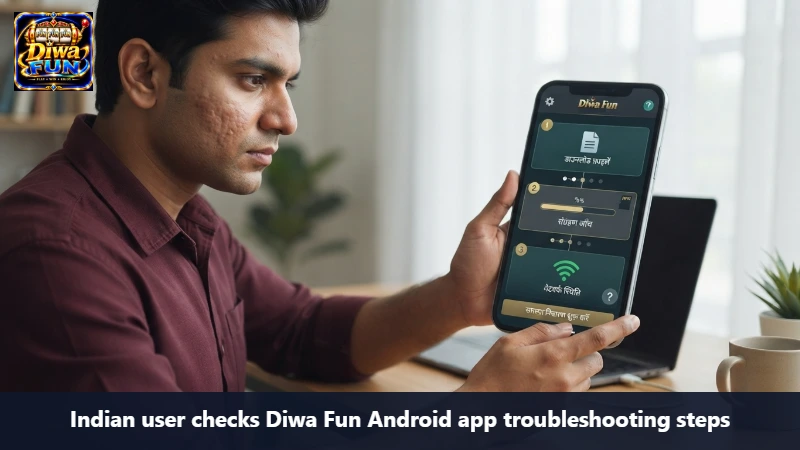
About Diwa Fun divides support context into stages.
Download issue: review network, storage and file status.
Installation issue: review package source, compatibility and Android prompts.
Account issue: review credentials, autofill, session and recovery options.
Gameplay issue: review the specific title, rule or control.
Reward issue: review programme name, eligibility and status.
This structure helps users avoid making larger changes before they understand where the problem actually sits.
What We Recommend Preparing Before Asking for Help
A useful support request can include:
- what you were trying to do;
- the screen involved;
- approximate time;
- device or browser;
- network status;
- existing account or reward reference;
- troubleshooting steps already completed.
We recommend keeping passwords and OTPs private.
This information usually provides more value than a long message without context.
Why Our Structure Matters for Returning Users
New users benefit from clear explanations, but returning users benefit from speed.
If you already know the platform, you should be able to skip directly to the area you need.
For example:
Login problem → Account section APK problem → Mobile guide Reward pending → Programme status Game question → Gameplay guide
This is why About Diwa Fun focuses heavily on structure. We want the website to remain useful even after the user no longer needs introductory information.
Questions Users Ask About How We Organise Diwa Fun
“Do I need to read the homepage before every guide?”
No. The homepage provides context, while each inner page is designed to work independently. Open the guide that matches your current task.
“Why do you separate app issues from account issues?”
Because the app can install correctly while login still needs attention. Separating those states helps users avoid unnecessary reinstallation.
“Where do I check a reward that already shows Pending?”
Start with the existing campaign or account record. The current status gives you more useful context than starting another claim.
“I only want to choose a game. Which page should I use?”
Open the game-selection guide. It compares rules, pace, controls and gameplay styles without requiring you to read the technical app sections first.
Conclusion
About Diwa Fun explains how we organise the platform around game discovery, mobile access, account continuity, rewards and support. We separate these areas because each one represents a different user state and requires a different next action. New users can begin with the game experience, while returning users can move directly to login, APK guidance, reward status or support. This structured approach allows Diwa Fun to remain useful across the full player journey without turning every page into the same template or repeating the same information in different words.
18+ Safety Notice
Adults 18+ only. Open Diwa Fun only where that lobby is lawful.